1. Home
  2. Science & Research
  3. About Science & Research at FDA
  4. FDA Grand Rounds
  5. FDA Grand Rounds – Antibody Glycosylation Insights for High-Quality Biotherapeutics - 01/22/2026
  1. FDA Grand Rounds

Webcast | Virtual

Event Title
FDA Grand Rounds – Antibody Glycosylation Insights for High-Quality Biotherapeutics
January 22, 2026


Date:
January 22, 2026
Time:
12:00 p.m. - 1:00 p.m. ET

Speaker 

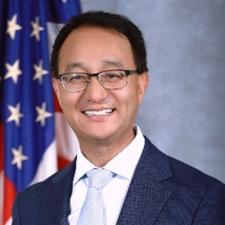
Baolin Zhang, PhD

Baolin Zhang, PhD
Senior Biomedical Research and Biomedical Product Assessment Service Expert 
Office of Pharmaceutical Quality (OPQ)
Center for Drug Evaluation and Research (CDER)
U.S. Food and Drug Administration

About the Speaker

Dr. Baolin Zhang has 25 years of experience in regulatory affairs at FDA, specializing in CMC (Chemistry, Manufacturing, and Controls) and product quality assessment for biologics and biosimilars. As a distinguished SBRBPAS Expert (Senior Biomedical Research and Biomedical Product Assessment Service Expert) at FDA’s Center for Drug Evaluation and Research, he leads regulatory reviews for numerous Investigational New Drug Applications (INDs) and Biologic License Applications (BLAs) and directs translational research programs.

Dr. Zhang is recognized for his contributions to biotherapeutic characterization, bioassays, and biomarkers, with over 100 publications, 200 invited presentations, and more than 20 major awards, including the FDA Scientific Achievement Award and the AAPS High Impact Article Award.

Before joining FDA, he was an Associate Professor at Nanjing University, Deputy Director at the Beijing Center for Biologics Research & Development, and Senior Scientist at the University of Tennessee Health Science Center. He holds a Ph.D. in Chemistry from Peking University, and M.S. and B.S. degrees in Chemistry from Lanzhou University.

About the Presentation

This lecture will examine how antibody Fc glycosylation influences product quality, potency, and clinical performance, highlighting common glycan features in FDA-approved antibodies, strategies for glycosylation control, and the use of a tailored lectin microarray for characterization. It will also address the gap between in vitro Fc-mediated effector functions and clinical evidence, emphasizing a mechanism-driven, totality-of-evidence approach to quality and regulatory assessment.

Learning Objectives

  1. Understand the impact of Fc glycosylation on antibody quality, potency, and clinical performance.
  2. Identify common glycan features and tools to control and characterize glycosylation, including a tailored lectin microarray.
  3. Apply a mechanism-driven, totality-of-evidence approach to interpret Fc effector function data for quality assessments.

To Attend

For technical assistance please contact: Rakesh.Raghuwanshi@fda.hhs.gov

Continuing Education (CE) Credit

As CE credit is being offered through the Johns Hopkins University School of Medicine, those wishing to obtain CE credit must create a user profile on the Hopkins Cloud CME platform. If you have never had a CMEcertificate/credits awarded and need a user profile created, please log onto https://hopkinscme.cloud-cme.com and click the “Sign Up Now” button. DO NOT create a new account if you have already received credit for Johns Hopkins CME activities at any time. Click on Forgot Password if you already have an email on file with the JHU OCME office. Instructions on how to claim the CE credit will be provided during the Grand Rounds presentation, but participants must already have a Hopkins Cloud CME user profile before the presentation. 

Accreditation Statement
The Johns Hopkins University School of Medicine is accredited by the Accreditation Council for Continuing Medical Education (ACCME) to provide continuing medical education for physicians.

Credit Designation Statement
The Johns Hopkins University School of Medicine designates this live activity for a maximum of 1 AMA PRA Category 1 Credit. Physicians should claim only the credit commensurate with the extend of their participation in the activity. This regularly scheduled series has been approved for a 52-week cycle beginning October 23, 2025.

Policy on Presenter and Provider Disclosure
It is the policy of the Johns Hopkins University School of Medicine that the presenter globally disclose conflicts of interest and any discussion of unlabeled/unapproved uses of drugs or devices during their presentation(s). The Johns Hopkins University School of Medicine OCME has established policies in place to identify and mitigate relevant conflicts of interest prior to this educational activity. Detailed disclosure will be made prior to presentation of the. 

Back to Top