


Tampons
Update: July 6, 2026
In July 2026, the FDA announced a new scientific study in Toxicological Sciences, a peer-reviewed journal, describing testing conducted by FDA laboratories and a toxicological risk assessment related to metals found in tampons. The study found that, while trace metals are present in tampons, the amount released during use is too small to cause harm. This study is consistent with findings from an independent systematic literature review previously commissioned by the FDA.
In October 2025, the FDA issued a draft guidance titled, Menstrual Products — Performance Testing and Labeling Recommendations. This draft guidance provides recommendations to industry to support the safety and effectiveness of menstrual products, including recommendations for evaluating these products for contaminants and promoting transparency in menstrual product ingredients. When finalized, this guidance will supersede the 2005 guidance document: Menstrual Tampons and Pads: Information for Premarket Notification Submissions (510(k)s).
What is a tampon?
Typically made of cotton, rayon, or a blend of the two, tampons are inserted into the vagina to absorb menstrual flow inside the body during your period. The tampon expands inside your body to fit your shape which holds it in place. There is a string at one end of the tampon that is used to remove it.
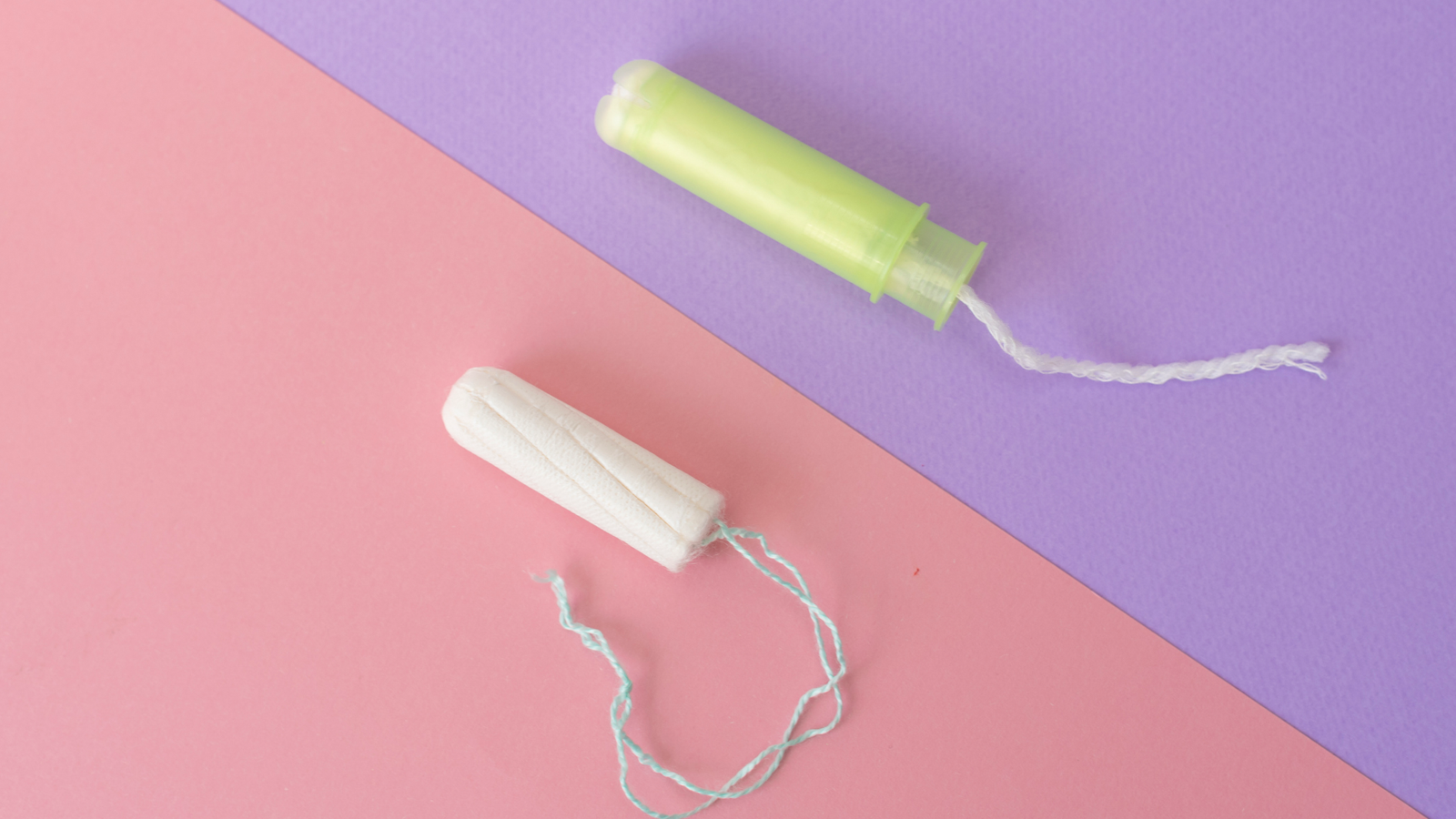
Types of tampons
Two types of tampons currently exist: single use tampons and reusable tampons. It is important to know, only single use tampons have been authorized by the FDA. Single use tampons are meant to be used once and then thrown away.
Reusable tampons may carry higher risks of infection, such as yeast, fungal, and bacterial. The FDA has not authorized any reusable tampons. FDA discourages the use of reusable tampons.
How to use tampons
- Wash your hands before and after inserting or removing a tampon.
- Follow the manufacturer’s instructions. The instructions may be different depending on whether the tampon comes with an applicator. The manufacturer’s instructions must include information on:1
- risks and warning signs of Toxic Shock Syndrome
- tampon absorbency
- Read the labeling for helpful tips. Labeling for tampons typically includes:
- tampon insertion method, with or without an applicator
- how the tampon is worn and for how long
- information on tampon removal and disposal
Using tampons safely
- Only use tampons during your period.
- Change tampons every four to eight hours, even if your flow is light or the tampon is not saturated. Do not use a single tampon for more than eight hours.
- Use the lowest absorbency tampon needed.
- Do not use tampons for any non-period vaginal drainage, flow, or bleeding, such as from current infection, recent pregnancy and/or childbirth.
- Contact your healthcare provider if you have pain, fever, or other symptoms of Toxic Shock Syndrome.
- If you use tampons, you could have an allergic reaction to the materials used in the tampon, including pain, swelling, and discomfort. Stop using the tampon if you experience symptoms of an allergic reaction.
Advantages and disadvantages
Advantages:
- Tampons’ smaller size allows them to be carried and worn discretely.
- Women may prefer tampons over other menstrual products such as pads because tampons are worn internally and are less likely to slip out of place during physical activity.
Disadvantages:
- Some women may experience dryness or irritation of their vagina when using tampons.
- Leaving a tampon in too long can increase the risk of harmful bacterial growth.
- Toxic Shock Syndrome is a rare but serious bacterial infection associated with tampon use, especially when tampons are left in place too long. Symptoms of Toxic Shock Syndrome include sudden high fever, chills, nausea or vomiting, diarrhea, rash, dizziness or fainting, or low blood pressure. The infection can spread into the bloodstream, causing severe organ damage or death. If you experience symptoms of toxic shock syndrome, remove the tampon and contact your healthcare provider or go to the nearest emergency room.
The FDA’s role in tampon safety
Before tampons can be legally sold in the United States, they are subject to FDA review and must receive FDA authorization. Manufacturers provide the FDA with labeling and performance data to demonstrate:
- the safety of the materials used
- how absorbent the tampon is and how durable the materials are
- whether the tampons promote the growth of certain harmful bacteria
- whether the tampons interfere with the balance of healthy bacteria in the vagina
In addition, the FDA continues to monitor the safety of tampons already on the market through adverse events reported to the FDA, inspection of manufacturing facilities, and other available postmarket information.
Rates of reported toxic shock cases associated with tampons have decreased significantly over the past 20 years due, in part, to tampon labeling and education efforts by the FDA and tampon manufacturers.
Resources
- Menstrual Products: Information on the types of menstrual products available in the U.S., how they work, how to use them, their benefits and risks and how the FDA reasonably assures their safety and effectiveness.
- The Facts on Tampons—and How to Use Them Safely: A consumer update on FDA-cleared tampons, what they are made of, how the FDA evaluates their safety, and how to use them safely to reduce the risk of toxic shock syndrome and other concerns.
1 Tampons, both scented and unscented within classification regulations 21 CFR 884.5460 and 884.5470, respectively, are subject to the labeling requirements in 21 CFR 801.430.