


Menstrual Cups
What is a menstrual cup?
A menstrual cup, also known as a menstrual disc, is a small, flexible cup inserted into the vagina to collect menstrual fluid. The cup is typically removed every few hours to discard the contents. If the cup is reusable, it can be washed and used again.
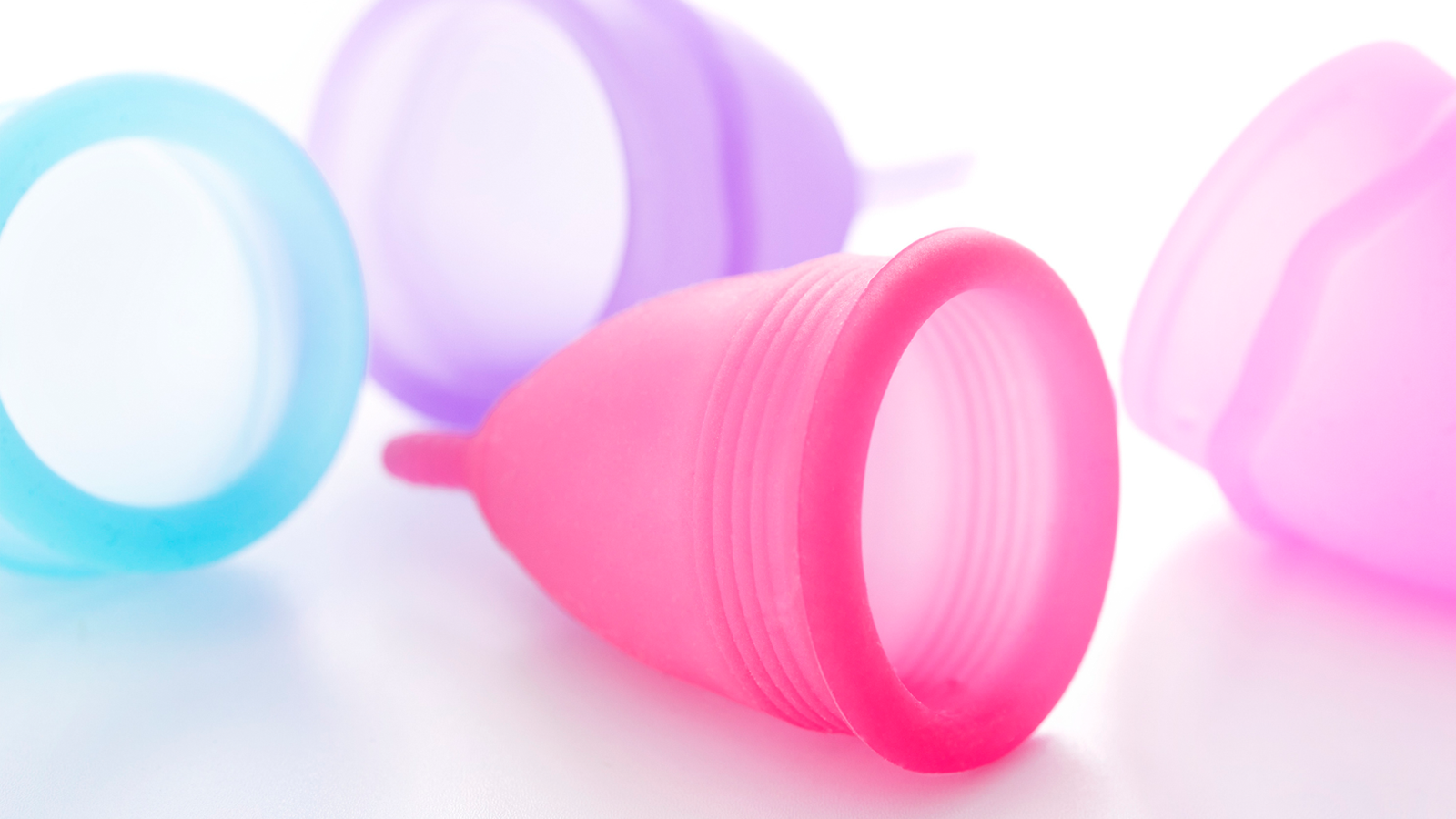
Types of menstrual cups
Menstrual cups come in different sizes, materials, shapes, and designs.
- The most common sizes are small and large; small is intended for lighter flow days and large is intended for heavier flow days.
- Menstrual cups are generally made from silicone or rubber.
- Menstrual cups can be V-shaped, bell shaped, or round.
- Menstrual cups come in stemmed and unstemmed designs. The stem is meant to make the cup easier to remove, but some women may find the stem uncomfortable.
How to use menstrual cups
- Wash your hands before and after handling a menstrual cup.
- Wash the menstrual cup following the instructions for use before you insert it. This is typically with soap and water.
- Follow the manufacturer’s instructions for using the cup. The instructions may vary depending on which type of cup you choose.
- Remove and empty the cup according to the instructions for use, typically every 8 to 12 hours.
- If the cup is reusable, wash it according to the instructions before using it again.
- At the end of your menstrual cycle, wash your reusable menstrual cups according to the instructions for use, typically by washing with soap and water and placing them in boiling water for one to two minutes.
Information on safe menstrual cup use
- Women should consult their gynecologist about using a cup with an intrauterine device (IUD). The cups could interfere with the IUD strings and placement.
- Menstrual cups are not intended to be used for any non-period vaginal drainage, flow, or bleeding such as from current infection, recent pregnancy and/or childbirth.
- If you choose to use a menstrual cup and are sensitive to latex, select a cup made from silicone.
- If you experience itching, rash, pain, swelling, or discomfort while using a menstrual cup, stop using the cup and contact your healthcare provider.
Advantages and disadvantages
Advantages:
- Reusable menstrual cups can be more cost effective than disposable menstrual options. A menstrual cup can last for years, while disposable options need to be purchased for each menstrual cycle.
- Some women may prefer reusable menstrual cups for environmental and sustainability reasons.
- Menstrual cups may be left in place for up to 12 hours. Follow the instructions on the label thoroughly.
Disadvantages:
- It may be difficult for some women to find the right size menstrual cup.
- It can take practice to insert and remove menstrual cups.
- Menstrual cups may interfere with a type of birth control called an IUD.
- Menstrual cups need to be washed after use, which can be challenging if you rely on a public restroom or are not near a source of clean water.
- Women who are allergic to latex may react to cups made of rubber.
The FDA’s role in menstrual cup safety
Menstrual cups are regulated by the FDA. Before menstrual cups can be legally sold in the United States, manufacturers must:
- Register and list the product with the FDA
- Follow FDA requirements for good manufacturing practices and reporting device malfunctions and adverse events
- Ensure their devices meet FDA labeling requirements for medical devices
In addition, the FDA continues to monitor the safety of menstrual cups already on the market through adverse events reported to the FDA, inspection of manufacturing facilities, and other available postmarket information.
Resources
- Menstrual Products: Information on the types of menstrual products available in the U.S., how they work, how to use them, their benefits and risks and how the FDA reasonably assures their safety and effectiveness.