


Menstrual Pads and Liners
What are menstrual pads and liners?
Menstrual pads and liners are used to soak up menstrual fluid or other vaginal discharge outside of the vagina.
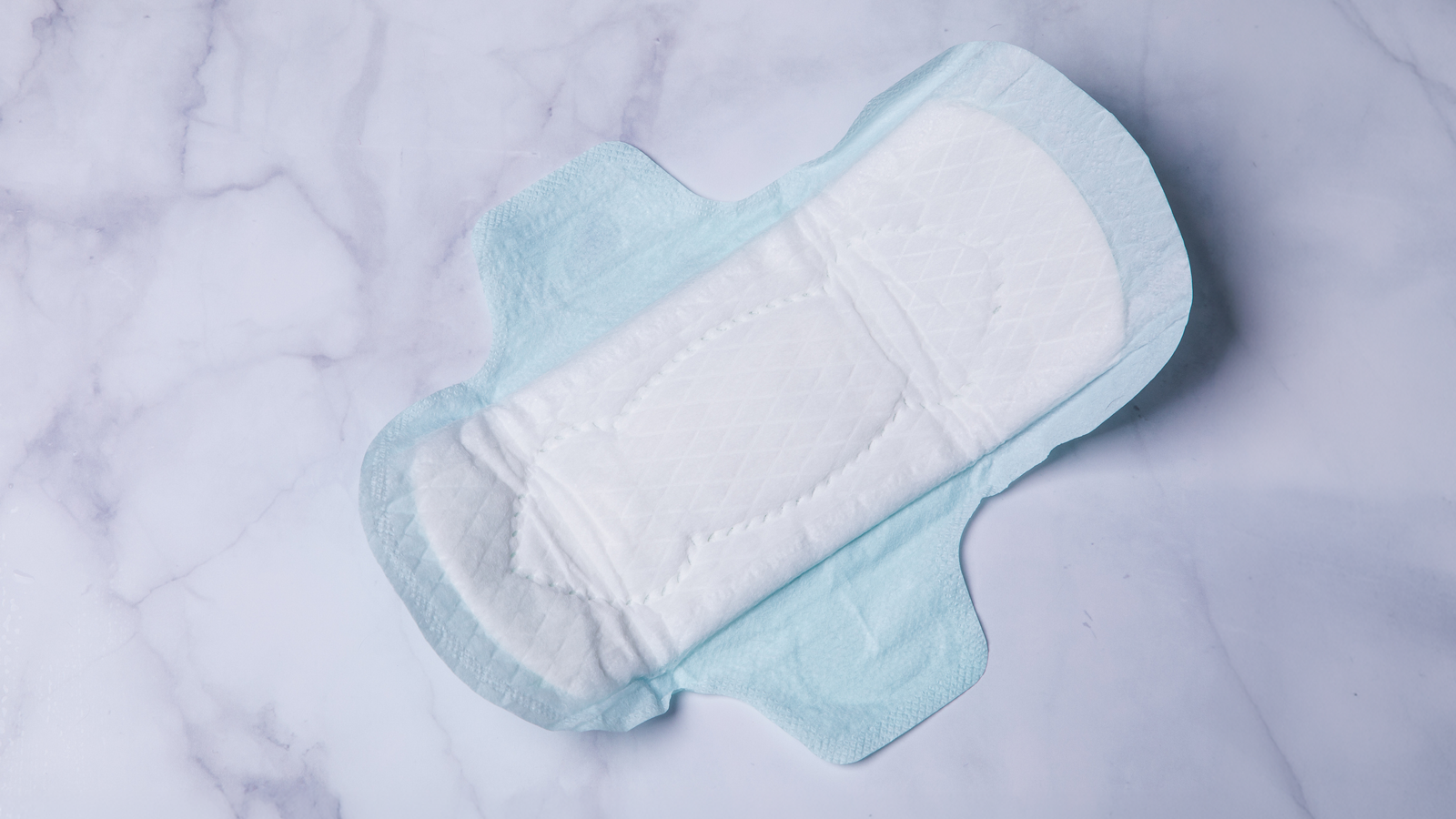
Types of menstrual pads
There are different kinds of menstrual pads.
The most common type of menstrual pad is worn inside the underwear. There is usually a sticky tape on one side that attaches to the underwear. A menstrual pad may also have extra material, called “wings,” that wraps around the edge of the underwear to help keep the pad in place. The other side of the pad faces toward the vagina and is made of an absorbent material that soaks up the menstrual fluid. Menstrual pads are available in different sizes or designs to use with different levels of menstrual flow or overnight.
A panty liner, or liner, is a thinner version of this kind of menstrual pad and is often used for light flow days or as a backup to tampons or menstrual cups to catch any leaks.
Period underwear is another type of menstrual pad that combines the absorbent features of a pad or liner with underwear.
Another kind of menstrual pad, called interlabial pads, are placed between the labia, or the larger folds of skin outside the vagina. Interlabial pads are generally used as a backup for or along with another menstrual product.
Both menstrual pads and interlabial pads come in disposable and reusable forms. Period underwear is typically not disposed after one use.
How to use menstrual pads safely
While menstrual pads are generally considered a safe option, there are some safety tips to keep in mind:
- Wash your hands before and after handling menstrual pads.
- Follow the manufacturer’s instructions for using the menstrual pad or liner. The instructions may be different depending on the type and design of the product.
- Change menstrual pads every few hours, even if your flow is light. Change them more frequently when your flow is heavy.
- Follow the instructions on the labeling thoroughly, including any cleaning instructions.
- Do not reuse menstrual pads or period underwear longer than the manufacturer recommendations.
- If you experience itching, rash, pain, swelling or discomfort while using a menstrual pad, stop using the pad and contact your healthcare provider.
Advantages and disadvantages
Advantages:
- Pads are easy to use.
- Pads may be a good option if you prefer to not insert something into the vagina.
Disadvantages:
- Wearing a pad too long may irritate the skin.
- Some women may have a reaction to scents, deodorants or other materials added to pads.
The FDA’s role in menstrual pad safety
Menstrual pads are regulated by the FDA. Before menstrual pads can be legally sold in the United States, manufacturers must:
- Register and list the product with the FDA.
- Follow FDA requirements for good manufacturing practices and reporting device malfunctions and adverse events.
- Ensure their devices meet FDA labeling requirements for medical devices.
In addition, the FDA continues to monitor the safety of menstrual pads already on the market through adverse events reported to the FDA, inspection of manufacturing facilities, and other available postmarket information.
Resources
- Menstrual Products: Information on the types of menstrual products available in the U.S., how they work, how to use them, their benefits and risks and how the FDA reasonably assures their safety and effectiveness.