


Infant Formula Information for Parents & Caregivers
Do not use recalled ByHeart Whole Nutrition Infant Formula. FDA’s Investigation is ongoing. For more information on FDA’s Outbreak Investigation of Infant Botulism: Infant Formula (November 2025), visit Outbreak Investigation of Infant Botulism: Infant Formula (November 2025).
Infant formula is an important source of nutrition for many babies in the U.S., whether used exclusively or in combination with breastfeeding. The FDA is working with multiple partners in public health to ensure parents and caregivers have the latest information regarding safe preparation of infant formula and to answer questions regarding the safety and nutritional quality of infant formula.
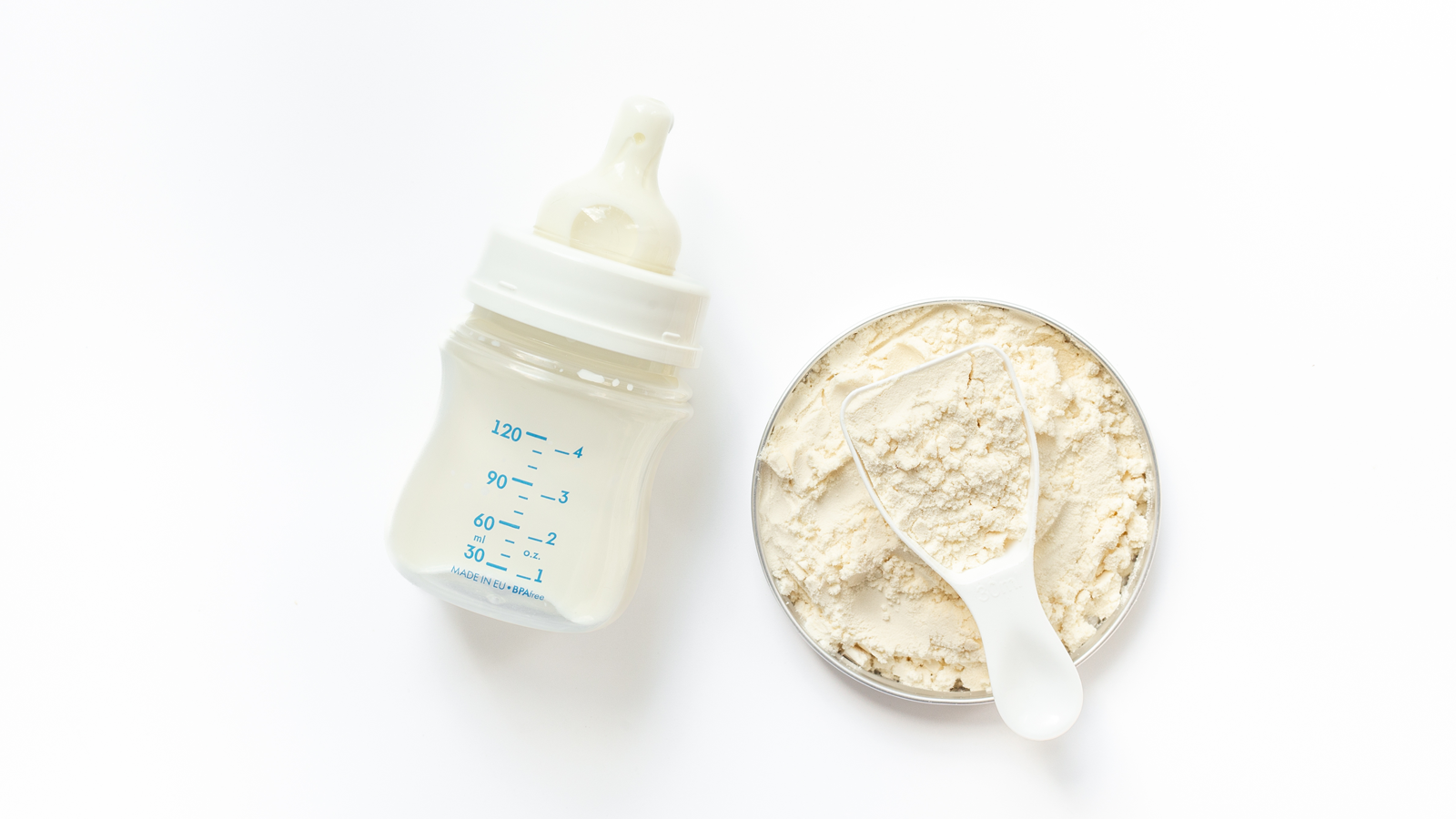
Products on the Market
There are a variety of infant formulas available on the U.S. market. Check with your infant’s healthcare provider to determine which infant formula to choose.
Routine Versus Specialty Formulas
Routine formulas are formulas intended for healthy, full-term infants. These formulas may contain cow’s milk, goat’s milk, or soy. Some formulas for healthy, full-term infants are specifically manufactured to address specific but common digestive needs. For example:
- Partially hydrolyzed formula: contains cow’s milk proteins that have already been partially hydrolyzed, or broken down, and may be easier to digest.
- Spit-up formula: contains thickeners with the aim of reducing infant reflux.
- Lactose-free formula: contains no lactose (the primary sugar found in human milk) for infants that have difficulty digesting it.
Specialty formulas are intended for use by an infant who has a unique medical or dietary problem such as an inborn error of metabolism, food allergies, premature birth, or low birth weight. Some of these formulas are not available in retail settings and may be prescribed by a physician. Examples include:
- Hypoallergenic formula: contains extensively hydrolyzed protein that is effective for the dietary management of milk protein allergy. In these formulas, the protein has been broken down so that it can be more easily digested.
- Amino acid-based formula: contains amino acids as the protein source. These formulas can be used for infants with severe milk allergies, short-gut syndrome, or other medical conditions.
- Premature formula: contains more nutrients and calories to meet a premature baby’s increased nutritional needs.
- Metabolic formula: formulated for the dietary management of a specific medical condition such as an inborn error of metabolism. For example, a formula for individuals with phenylketonuria (PKU) does not contain the amino acid phenylalanine.
Due to their composition and intended use to address specific conditions, specialty formulas may be exempt from certain labeling and nutrient requirements.
Forms of Infant Formula
Infant formulas come in three forms:
- Powder — Must be mixed with water before feeding.
- Liquid concentrate — Must be mixed with water before feeding.
- Ready-to-feed — Requires no mixing with water before feeding.
The infant formulas currently available on the U.S. market must be labeled as either “Infant Formula with Iron” or include the statement, “Additional Iron May Be Necessary.” The American Academy of Pediatrics recommends that formula-fed infants receive an “Infant Formula with Iron” as a way of preventing iron-deficiency anemia.
Safe Preparation and Feeding of Formulas
The safe preparation and feeding of formulas is important to your baby’s health for many reasons. Safe preparation can help prevent infant formula from becoming contaminated with harmful pathogens that can cause foodborne illness, such as Cronobacter or Salmonella. The FDA recommends caregivers prepare infant formula according to instructions on the infant formula label to ensure safety and to uphold the nutritional quality of the formula. These labels should also include information on proper storage and disposal of prepared formula. The FDA also recommends using safe handling techniques. For example, bottles, rings, caps, and nipples need to be cleaned and sanitized. Caregivers should also be mindful of the “Use By” Date, which is the date up to which the manufacturer guarantees the nutrient content and the quality of the formula.
Don’t Feed Infants Homemade Infant Formula
The FDA advises parents and caregivers not to make or feed homemade infant formula to infants. Homemade infant formula recipes have not been evaluated by FDA and may lack nutrients vital to an infant’s growth and development. The FDA has received reports of babies requiring hospitalization to treat nutritional and electrolyte deficiencies after being fed homemade infant formula. Additionally, homemade formulas can be contaminated with bacteria from the home kitchen that could cause serious illness or even death.
On rare occasions, you may need to use an infant formula that’s different than the one you normally feed your child.
It’s important to note that most babies will do just fine with different brands of formula, including store brands, as long as they're the same type, like cow's milk-based, goat’s milk-based, soy, hypoallergenic (extensively hydrolyzed), or elemental (amino acid-based).
If you need help figuring out which formulas you may be able to substitute:
- Your pediatrician or other health care provider is always the best resource because they know your baby and their health history.
- You can also check this list of comparable formulas developed by an organization of pediatric gastroenterologists called the North American Society for Pediatric Gastroenterology (NASPGHAN). Any infant formula substitution should only be done under the recommendation and supervision of your pediatrician or other healthcare provider.
It may take some time for your baby to get used to the new formula. However, if you notice that your baby begins to vomit, has gas, is crying or can't be calmed down during feedings, is losing weight, has diarrhea, has blood or mucus in their poop, or is straining to poop, they may not be tolerating the new formula. Call your pediatrician or other health care provider if you have questions.
Drinks for young children, often marketed as “toddler formulas,” do not undergo premarket review by FDA and are generally not necessary to meet the nutritional needs of children over 12 months of age. Babies younger than 12 months of age should not be fed these products, as they are not designed to meet their nutritional needs. Consult your child’s healthcare provider if you have additional questions.
Food Safety & Nutrition Information from FDA
- Handling Infant Formula Safely: What You Need to Know
- Safe Feeding of Babies at Higher Risk of Foodborne Illness (Consumer Infographic)
- Tips for Safely Preparing Powdered Infant Formula (Consumer Infographic)
- Tips for Preparing Imported Infant Formula (Consumer Infographic)
- Information for Health Care Professionals on Safe Handling of Infant Formula
- Help Prevent Cronobacter Illness: Prepare and Store Powdered Infant Formula Safely (Consumer Infographic)
- Questions & Answers for Consumers Concerning Infant Formula
- Do's and Don'ts with Infant Formula
- FDA Advises Parents and Caregivers to Not Make or Feed Homemade Infant Formula to Infants
- Food Safety Booklet for Pregnant Women, Their Unborn Babies, and Children Under Five
- Food Safety for Moms-To-Be - See Once Baby Arrives (Cuando llega el bebé)
- Foodborne Pathogens: E. coli, Salmonella, Listeria, Cyclospora, Cronobacter sakazakii, and Hepatitis A
- Food Safety for Infants & Toddlers
Identifying and Reporting a Problem
If you have concerns about infant formula, contact your health care provider and FDA at 1-888-INFO-FDA (1-888-463-6332). To report a complaint or adverse event (illness or serious allergic reaction), visit Industry and Consumer Assistance.