


Veterinary Laboratory Investigation and Response Network

- Our Mission
- We Respond to Animal Illnesses Potentially Caused by Foods or Drugs
- Vet-LIRN Resources for Animal Owners and Veterinarians
- Fiscal Year 2025 Highlights
- Tracking Antimicrobial Resistance in Bacteria from Sick Animals
- Vet-LIRN Laboratory Funding
- Ensuring Accurate Results
- Veterinarians, Want to Learn More?
- Preparing for and Responding to Emergencies
- Network Laboratory Methods
- Publications
Our Mission
To advance the CVM mission of protecting human and animal health by coordinating a network of veterinary diagnostic laboratories.
Contact Vet-LIRN: vet-lirn@fda.hhs.gov.
We Respond to Animal Illnesses Potentially Caused by Foods or Drugs
Is your animal sick? Do you think it was the food? Or a drug?
- Safety Reporting Portal
- How to Report a Pet Food Complaint
- Reporting Problems with Horse or other Livestock Feed/Food
- Information for Veterinarians on Reporting Suspected Animal Food Issues
Figure 1. What Happens During a Consumer Complaint Response?


We respond to potential animal food issues, including performing non-regulatory testing (Figure 1).
We are an important part of the food safety team at CVM.
Learn more about some of our cases:
- Salmonella outbreak linked to Bearded Dragons
- Highly Pathogenic Avian Influenza in Poultry-Based Raw Pet Food
- Response to Influx of Adverse Event Reports Related to Single Pet Food Brand
- Elevated Vitamin D in Commercial Dog Food
- Clostridium botulinum in Alfalfa Cubes
- Campylobacter Outbreak in Puppies
Vet-LIRN Resources for Animal Owners and Veterinarians
- Vet-LIRN Network Procedures for Veterinarians
- Vet-LIRN Network Procedures for Owners (En Español)
- Pet Food Safety (CDC)
2025 Highlights
For more information, visit Vet-LIRN Fiscal Year 2025 Accomplishment Highlights.
Tracking Antimicrobial Resistance in Bacteria from Sick Animals
Why track resistance in bacteria?
Antimicrobial resistance (AMR) is an important public health issue because if bacteria become antibiotic-resistant, many infections become more difficult to treat. Effective surveillance of antimicrobial susceptibility in bacterial pathogens requires the meaningful integration of veterinary diagnostic laboratories into the nation's broader AMR monitoring framework — an effort in which Vet-LIRN is committed to playing an active role in collaboration with NARMS.
Background and Progress
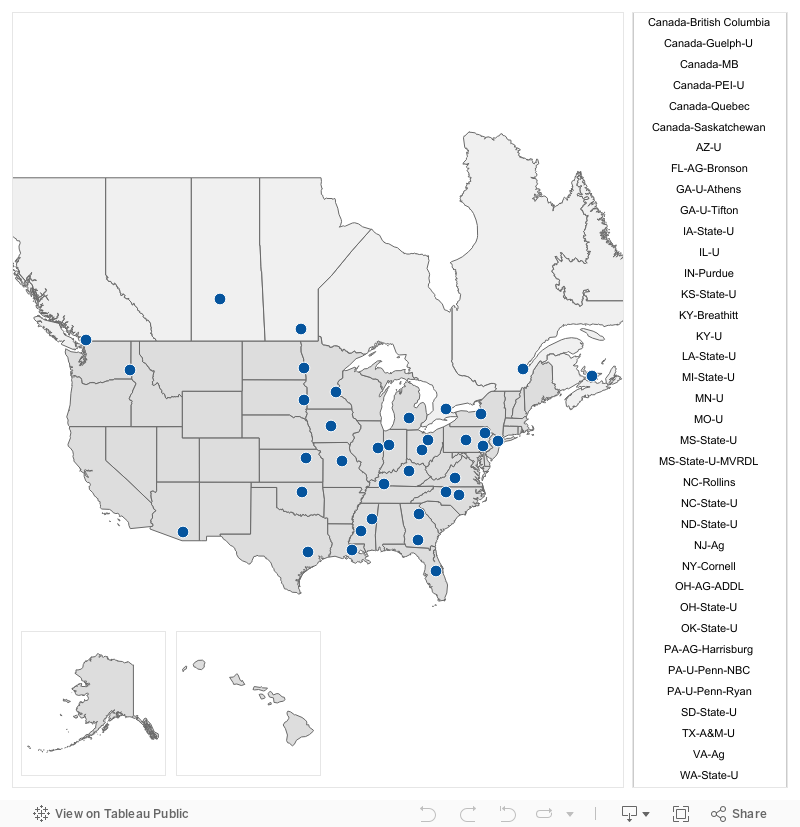
As of 2024, there are 30 Source laboratories collecting isolates (25 in the United States and 5 in Canada), along with 6 WGS laboratories sequencing the isolates. An overview of the general plan procedures is provided in Figure 2. Details about participating Source and WGS laboratories can be found in the interactive map of participating laboratories.
Figure 2. General Plan

Interactive Map of Participating Laboratories (Excel version)
- As of September 2025, Vet-LIRN Source labs have collected AST data for more than 32,000 animal pathogen isolates. An overview of the monitored animal pathogens is provided in Table 1. Phenotypic AST data for all isolates collected from 2017 to 2024 are publicly available in the AMR Database (Excel version).
- Guidance for AMR Database users: Antimicrobial resistance is extremely complex and influenced by many factors. Single year-to-year comparisons are generally insufficient to draw meaningful conclusions; instead, users are encouraged to look for patterns that emerge across multiple years.
- Suggested citation: Food and Drug Administration (FDA). Vet-LIRN. Laurel, MD: U.S. Department of Health and Human Services. Available from URL: https://www.fda.gov/animal-veterinary/science-research/veterinary-laboratory-investigation-and-response-network. Accessed MM/DD/YYYY.
- Sequencing data are released in real-time as whole-genome sequencing is conducted. More than 11,500 isolates were sequenced, and associated antimicrobial susceptibility testing data are also publicly available.
- Vet-LIRN partners with the National Antimicrobial Resistance Monitoring System (NARMS) to make these data publicly accessible (Animal Pathogen AMR Data). This animal pathogen data is reported in conjunction with the National Animal Health Laboratory Network (NAHLN).
- Users of assistive technology, such as screen readers, may not be able to fully access all features of the interactive resistance displays. The source data are also available as downloadable spreadsheets as an alternative. People with disabilities who require further assistance may contact Vet-LIRN@fda.hhs.gov .
Table 1: List of animal pathogens and animal hosts

Promoting Antimicrobial Stewardship
CVM Initiatives for antimicrobial stewardship support using antimicrobials appropriately and only when necessary to limit the development of antimicrobial resistant bacteria.
Vet-LIRN promotes antimicrobial stewardship efforts by providing funding to veterinary colleges across the United States to support the appropriate use of CVM - regulated products.
Examples of Stewardship Educational Materials Produced Due to Vet-LIRN Support
Manuscripts
Other Materials
Carbapenem-Resistant Enterobacterales (CRE) - Website
Antibiotic Resistant Bacteria in Companion Animals - Fliers
SODAPOP Learning Tool for Vet Students – Video
Buckeye Antimicrobial Stewardship Education – Video Series
Vet-LIRN Laboratory Funding
Vet-LIRN Cooperative Agreements facilitate participation in Vet-LIRN activities such as consumer complaint response, emergency exercises, proficiency tests, and laboratory accreditation. The agreements also increase the agency’s capability to analyze an increased number of samples in the event of animal food- or drug-related illnesses or other large-scale emergency events that require increased testing of implicated diagnostic or animal food samples. Cooperative agreements allow network laboratories to request additional funds if they are participating in a specific Vet-LIRN project, such as the Antimicrobial Resistance (AMR) efforts or if they are conducting whole-genome sequencing (WGS) work, or if their caseload is particularly heavy. Additional funds may also be provided to respond to emerging diseases.
Ensuring Accurate Results
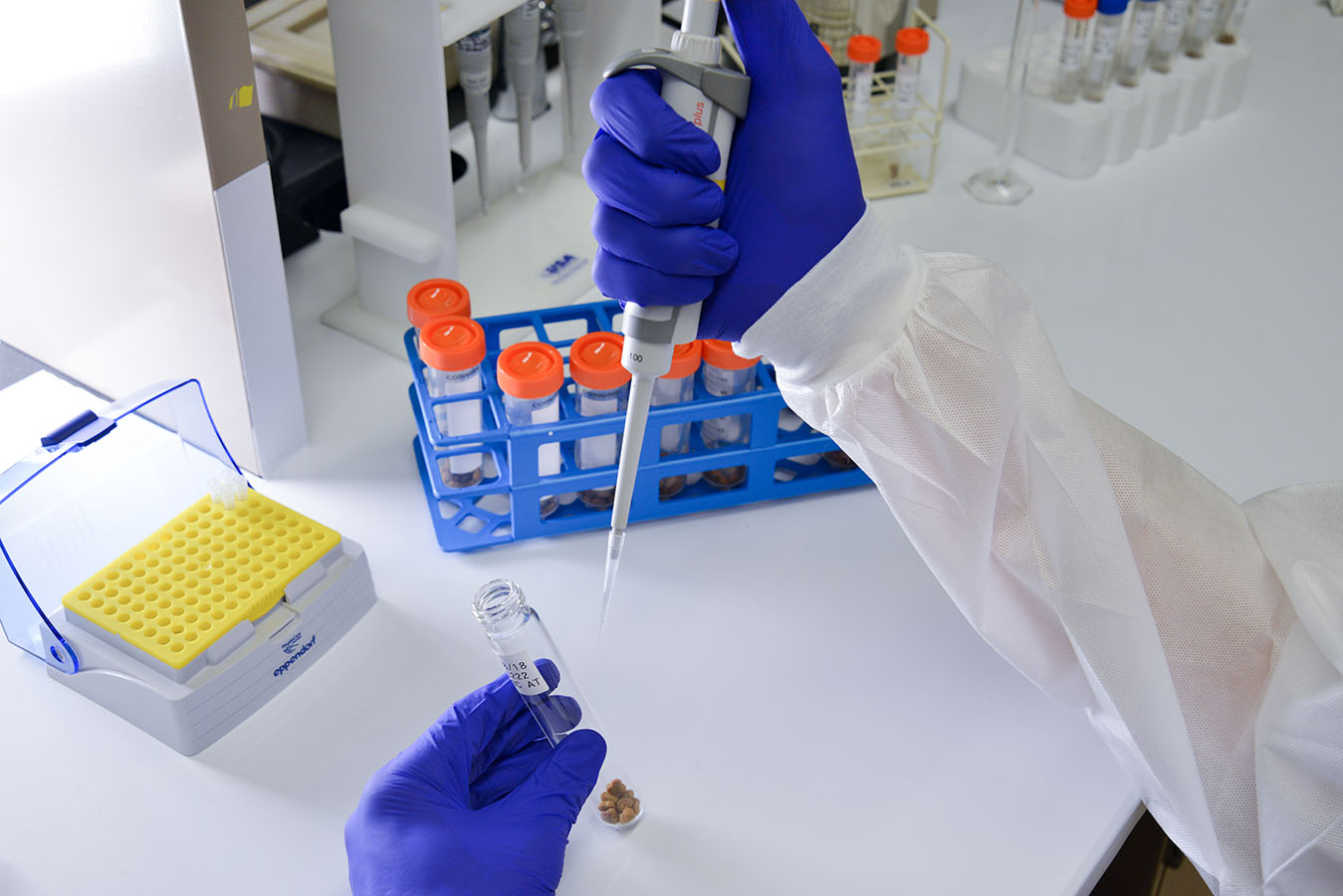
Vet-LIRN collaborates with the FDA’s Human Foods Program (HFP) Division of Food Processing Science and Technology (Moffett Center) and the Institute for Food Safety and Health, Illinois Institute of Technology to conduct Proficiency Tests (PTs) and Interlaboratory Comparison Exercises (ICEs) to ensure FDA receives accurate test results from our network laboratories. Samples are sent to the laboratories and test results are submitted to Vet-LIRN. After data is evaluated, final reports are provided to the laboratories.
Recent Proficiency Tests and Inter-Laboratory Comparison Exercises
- Detecting avian influenza in milk
- Why is this important?
- How Bird Flu Virus Fragments Get into Milk Sold in Stores, and What the Spread of H5N1 in Cows Means for the Dairy Industry and Milk Drinkers | School of Veterinary Medicine
- Evaluation of PCR-Based H5N1 Influenza Detection Methods in Milk from an Interlaboratory Comparison Study Demonstrating Method-Dependent Sensitivity Variability - ScienceDirect
- Detecting Campylobacter in dog feces
- Detecting an aflatoxin in milk
- Why is this important?
- Expanded Recall of Pet Food for Aflatoxin Health Risk | FDA
- Chemical Contaminants | FDA
Veterinarians, Want to Learn More?
Vet-LIRN educates veterinarians about how to identify and report suspected animal food issues via webinars and case studies. Vet-LIRN speaks at various conferences and to veterinary interest groups. Additionally, Vet-LIRN can present virtual lectures to veterinary schools to increase awareness among future veterinarians of CVM’s mission and consumer complaint reporting.
Please email Vet-LIRN@fda.hhs.gov if you are interested in a presentation to your institution.
Preparing for and Responding to Emergencies and Outbreaks
Vet-LIRN participates in simulated incidents (exercises) for emergency preparedness and response activities. Such activities strengthen Vet-LIRN’s ability to establish and initiate strategies to coordinate the roles and responsibilities of veterinary diagnostics laboratories in real-world emergency events. Understanding network laboratory capabilities and establishing routine interactions and exercises with the laboratories is key to any emergency preparedness and response. Vet-LIRN routinely communicates with the following laboratory networks and programs to harmonize and leverage activities and participate in an integrated response to national emergencies:
- Integrated Consortium of Laboratory Networks (ICLN)
- National Animal Health Laboratory Network (NAHLN)
- The Food Emergency Response Network (FERN)
In addition to these network collaborations, Vet-LIRN regularly assists state and other federal partners with emergency and outbreak response efforts. For example, in September 2025, Vet-LIRN collaborated with a state health department to investigate an infant case of Salmonella Cotham infection found to be part of an ongoing outbreak linked to bearded dragons. The infant had exposure to a bearded dragon in the home, and to assist with this case, a Vet-LIRN network laboratory tested a fecal sample from the bearded dragon, which was positive for Salmonella Cotham and confirmed the dragon as the source of the infant’s infection. This information was shared with the Centers for Disease Control and Prevention (CDC), who were actively investigating the ongoing outbreak. This case exemplifies Vet-LIRN's critical role in protecting both human and animal health by filling animal diagnostic testing gaps, and the successful collaboration between state health departments, CDC, and Vet-LIRN demonstrates the power of a One Health approaches in identifying and responding to zoonotic disease threats that impact public health.
Network Laboratory Methods
Vet-LIRN is working to ensure that detailed protocols and procedures of methods developed from grant funding are publicly available. All protocols and procedures published are available at Vet LIRN.
Publications (Listed past 5 years)
Aguirre Siliezar, K., Datu, C., Proia, K., Rotstein, D., Nemser, S. M., Tyson, G. H., Ragsdale, J. M., Wilkes, R. P., Baker, R. E., Carossino, M., Del Piero, F., Sasaki, E., Yant, P., & Uzal, F. A. (2026). Multi-state equine botulism outbreak in the United States linked to contaminated feed: an epidemiologic, clinicopathologic, and regulatory investigation. J Vet Diagn Invest, 10406387261430324. https://doi.org/10.1177/10406387261430324
Fritz, B. R., Kleinhenz, M. D., Magnin, G., Griffin, J. J., Weeder, M. M., Curtis, A. K., Martin, M. S., Nelson, A. A., Kleinhenz, K. E., Johnson, B. T., Fritz, S. A., Montgomery, S. R., Tkachenko, A., & Coetzee, J. F. (2025). Tissue residue depletion of cannabinoids in cattle administered industrial hemp inflorescence. Sci Rep, 15(1), 42337. https://doi.org/10.1038/s41598-025-26448-5
Nemser, S. M., Ceric, O., Guag, J., Pauley, S., Jones, A., Proia, K., Miller, M. R., Tkachenko, A., Rotstein, D., Hodges, A., Reimschuessel, R., & Tyson, G. H. (2025). The Veterinary Laboratory Investigation and Response Network: 15 Years of Promoting Human and Animal Health by Collaborating with the Veterinary Diagnostic Laboratory Community. J Food Prot, 88(12), 100625. https://doi.org/10.1016/j.jfp.2025.100625
Lawhon, S. D., Cummings, K. J., Wu, J., Yang, C. Y., Whipple, N., Prarat Koscielny, M., Lindemann, S., Kiener, S., Kmet, M., Reddy, R., Goodman, L. B., Franklin-Guild, R. J., Sams, K., Cronk, B., Cui, J., Lawrence, K., Zhang, Q., Zhang, Y., Ensley, S.,…Reimschuessel, R. (2026). Comparison of PCR and culture for detection of Campylobacter jejuni in canine feces. J Vet Diagn Invest, 10406387261434179. https://doi.org/10.1177/10406387261434179
Miller, M. R., Frost, K., Smith, E. L., Jin, Y., Ulaszek, J., Kmet, M., Hettwer, K., Schlierf, A., Nemser, S. M., Tkachenko, A., Goodman, L. B., Ceric, O., Almes, K., Loiacono, C., Reddy, R., Uhlig, S., & Tyson, G. H. (2026). Evaluation of PCR-Based H5N1 Influenza Detection Methods in Milk from an Interlaboratory Comparison Study Demonstrating Method-Dependent Sensitivity Variability. Journal of Food Protection, 89(6), 100798. https://doi.org/https://doi.org/10.1016/j.jfp.2026.100798
Smith, E. L., Jin, Y., Miller, M. R., Frost, K., Ulaszek, J., Nemser, S. M., Goodman, L. B., Uhlig, S., Schlierf, A., Hettwer, K., Kmet, M., Tkachenko, A., Ceric, O., Tyson, G. H., & Reddy, R. (2026). Development of Fit-for-Purpose, High Quality Proficiency Samples for Interlaboratory Evaluation of RT-PCR Detection of HPAI H5N1 in Milk. Food Environ Virol, 18(2). https://doi.org/10.1007/s12560-026-09699-x
Tkachenko, A., Du, X., Guag, J., Das, M., Hsu, C.-H., & Zhang, S. (2026). Innovative Framework for Blinded Evaluation of Methods: Application to Cannabinoid Quantification in Hemp. Journal of AOAC INTERNATIONAL. https://doi.org/10.1093/jaoacint/qsag039
B. Fritz, M. Kleinhenz, G. Magnin, J. Griffin, M. Weeder, A. Curtis, M. Martin, A. Nelson, K. Kleinhenz, B. Johnson, S. Fritz, S. Montgomery, A. Tkachenko, J. Coetzee. Tissue residue depletion of cannabinoids in cattle administered industrial hemp inflorescence. Scientific Reports. 2025. https://doi.org/10.1038/s41598-025-26448-5
Kiener, S., Smith, E., Singh, N., Nemser, S. M., Hettwer, K., Miller, M. R., Tkachenko, A., Uhlig, S., & Reddy, R. (2025). Determination of limit of detection and relative limit of detection of Salmonella in raw pet food matrices using Salmonella bacteriological analytical manual methods. J Microbiol Methods, 232-234, 107116. https://doi.org/10.1016/j.mimet.2025.107116
Martin, G., Tyson, G. H., Guag, J., Strain, E., & Ceric, O. (2025). Genomic snapshot of Klebsiella spp. isolates from clinically ill animals reveal diverse lineages with limited relatedness to human isolates. BMC Vet Res, 21(1), 458. https://doi.org/10.1186/s12917-025-04686-z
Pepper, A., Kayastha, S., Miller, M., Guag, J., Tkachenko, A., Allender, M., Terio, K., & Wang, L. (2025). Evaluation of RT-LAMP for SARS-CoV-2 Detection in Animal Feces. Viruses, 17(6), 783. https://www.mdpi.com/1999-4915/17/6/783
Singh, N., Miller, M. R., Nemser, S. M., Tkachenko, A., Uhlig, S., Frost, K., Hettwer, K., Ulaszek, J., Kmet, M., Wang, L., Allender, M. C., & Reddy, R. (2025). Proficiency test of SARS-CoV-2 Omicron variant detection in diagnostics samples by veterinary diagnostic laboratories. Accreditation and Quality Assurance, 30(1), 45-53. https://doi.org/10.1007/s00769-024-01622-w
Tkachenko, A., Chen, Y., Petrey, M., Fritz, S., Walsh, T., Rotstein, D., Miller, M. R., Williams, B., Dark, M., Kmet, M., Reddy, R., Tyson, G., & Nemser, S. M. (2025). A novel proficiency test to assess the animal diagnostic investigation process in identifying an unknown toxicant. Toxicology Reports, 14, 101925. https://doi.org/https://doi.org/10.1016/j.toxrep.2025.101925
Zehr, J. D., Sun, Q., Ceres, K., Merrill, A., Tyson, G. H., Ceric, O., Guag, J., Pauley, S., McQueary, H. C., Sams, K., Reboul, G., Mitchell, P. K., Anderson, R., Franklin-Guild, R., Guarino, C., Cronk, B. D., Burbick, C. R., Wolking, R., Peak, L.,…Goodman, L. B. (2025). Population and pan-genomic analyses of Staphylococcus pseudintermedius identify geographic distinctions in accessory gene content and novel loci associated with AMR. Appl Environ Microbiol, e0001025. https://doi.org/10.1128/aem.00010-25
Ceres K, Zehr JD, Murrell C, Millet JK, Sun Q, McQueary HC, Horton A, Cazer C, Sams K, Reboul G, Andreopoulos WB, Mitchell PK, Anderson R, Franklin-Guild R, Cronk BD, Stanhope BJ, Burbick CR, Wolking R, Peak L, Zhang Y, McDowall R, Krishnamurthy A, Slavic D, Sekhon PK, Tyson GH, Ceric O, Stanhope MJ, Goodman LB. 2024. Evolutionary genomic analyses of canine E. coli infections identify a relic capsular locus associated with resistance to multiple classes of antimicrobials. Appl Environ Microbiol 90:e00354-24.https://doi.org/10.1128/aem.00354-24
Nichols, M., Stapleton, G. S., Rotstein, D. S., Gollarza, L., Adams, J., Caidi, H., . . . Francois Watkins, L. K. (2024). Outbreak of multidrug-resistant Salmonella infections in people linked to pig ear pet treats, United States, 2015-2019: results of a multistate investigation. Lancet Reg Health Am, 34, 100769. doi:10.1016/j.lana.2024.100769
Langston, J., Stump, S., Filigenzi, M., Tkachenko, A., Guag, J., Poppenga, R., & Rumbeiha, W. K. (2024). Extensive evaluation of a new LC-MS/MS method to quantify monofluoroacetate toxin in the kidney. J Anal Toxicol. doi:10.1093/jat/bkae032
Leonardi-Cattolica, A., Kayastha, S., Miller, M., Guag, J., Tkachenko, A., Lowe, J., Allender, M., Terio, K., & Wang, L. (2024). Evaluation of Fecal Sample Pooling for Real-Time RT-PCR Testing SARS-CoV-2 in Animals. Viruses, 16(11). https://doi.org/10.3390/v16111651
Miller MR, Tkachenko A, Guag J, Alexander S, Webb BT, Stenger BLS. Comparative evaluation of assay performance for SARS-CoV-2 detection in animal oral samples, lung homogenates, and phosphate-buffered saline using the TaqPath COVID-19 Combo kit. J Vet Diagn Invest. 2024 Mar;36(2):229-237. doi: 10.1177/10406387241230315. Epub 2024 Feb 16. PMID: 38362609; PMCID: PMC10929630.
Eckstrand, C. D., Torrevillas, B. K., Wolking, R. M., Francis, M., Goodman, L. B., Ceric, O., Alexander, T. L., Snekvik, K. R., & Burbick, C. R. (2024). Genomic characterization of antimicrobial resistance in 61 aquatic bacterial isolates. J Vet Diagn Invest, 10406387241241042. https://doi.org/10.1177/10406387241241042
Kattoor, J. J., Guag, J., Nemser, S. M., & Wilkes, R. P. (2024). Development of ion torrent-based targeted next-generation sequencing panel for identification of animal species in pet foods. Res Vet Sci, 167, 105117. https://doi.org/10.1016/j.rvsc.2023.105117
Miller MR, Braun E, Ip HS, Tyson GH. Domestic and wild animal samples and diagnostic testing for SARS-CoV-2. Vet Q. 2023 Dec;43(1):1-11. doi: 10.1080/01652176.2023.2263864. Epub 2023 Oct 26. PMID: 37779468; PMCID: PMC10614713.
Chen, Y., Lopez, S., Reddy, R. M., Wan, J., Tkachenko, A., Nemser, S. M., Smith, L., & Reimschessel, R. (2023). Validation and interlaboratory comparison of anticoagulant rodenticide analysis in animal livers using ultra-performance liquid chromatography-mass spectrometry. J Vet Diagn Invest, 35(5), 470-483. https://doi.org/10.1177/10406387231178558
Deng, K., Nemser, S. M., Frost, K., Goodman, L. B., Ip, H. S., Killian, M. L., . . . Tyson, G. H. (2023). Successful Detection of Delta and Omicron Variants of SARS-CoV-2 by Veterinary Diagnostic Laboratory Participants in an Interlaboratory Comparison Exercise. The Journal of Applied Laboratory Medicine. doi:10.1093/jalm/jfad018
Francis, K. A., Tkachenko, A., Johnson, J. T., Smith, L. L., Noonan, R. T., Filigenzi, M. S., . . . Romano, M. C. (2023). Comprehensive Evaluation of HPLC-MS/MS Method for Quantitation of Seven Anticoagulant Rodenticides and Dicoumarol in Animal Serum. J Anal Toxicol. doi:10.1093/jat/bkad017
Du, X., Schrunk, D. E., Imerman, P. M., Tahara, J., Tkachenko, A., Guag, J., . . . Rumbeiha, W. K. (2023). Extensive Evaluation of a Method for Quantitative Measurement of Aflatoxins B1 and M1 in Animal Urine Using High-Performance Liquid Chromatography with Fluorescence Detection. J AOAC Int, 106(3), 645-651. doi:10.1093/jaoacint/qsad0342022
Ballash, G. A., Dennis, P. M., Mollenkopf, D. F., Albers, A. L., Robison, T. L., Adams, R. J., . . . Wittum, T. E. (2022). Colonization of White-Tailed Deer (Odocoileus virginianus) from Urban and Suburban Environments with Cephalosporinase- and Carbapenemase-Producing Enterobacterales. Appl Environ Microbiol, 88(13), e0046522. doi:10.1128/aem.00465-22
Deng, K., Uhlig, S., Goodman, L. B., Ip, H. S., Killian, M. L., Nemser, S. M., Tkachenko, A . . . Tyson, G. H. (2022). Second round of an interlaboratory comparison of SARS-CoV2 molecular detection assays used by 45 veterinary diagnostic laboratories in the United States. J Vet Diagn Invest, 34(5), 825-834. doi:10.1177/10406387221115702
Esmaeilishirazifard, E., Usher, L., Trim, C., Denise, H., Sangal, V., Tyson, G. H., . . . Moschos, S. A. (2022). Bacterial Adaptation to Venom in Snakes and Arachnida. Microbiol Spectr, 10(3), e0240821. doi:10.1128/spectrum.02408-21
Harrison, L., Tyson, G. H., Strain, E., Lindsey, R. L., Strockbine, N., Ceric, O., . . . Dessai, U. (2022). Use of Large-Scale Genomics to Identify the Role of Animals and Foods as Potential Sources of Extraintestinal Pathogenic Escherichia coli That Cause Human Illness. Foods, 11(13). doi:10.3390/foods11131975
Mitchell, P. K., Wang, L., Stanhope, B. J., Cronk, B. D., Anderson, R., Mohan, S., . . . Goodman, L. B. (2022). Multi-laboratory evaluation of the Illumina iSeq platform for whole genome sequencing of Salmonella, Escherichia coli and Listeria. Microb Genom, 8(2). doi:10.1099/mgen.0.000717
Rotstein, D. S., Peloquin, S., Proia, K., Hart, E., Lee, J., Vyhnal, K. K., . . . Ghai, R. (2022). Investigation of SARS-CoV-2 infection and associated lesions in exotic and companion animals. Vet Pathol, 3009858211067467. doi:10.1177/03009858211067467
Tate, H., Ayers, S., Nyirabahizi, E., Li, C., Borenstein, S., Young, S., . . . McDermott, P. F. (2022). Prevalence of Antimicrobial Resistance in Select Bacteria From Retail Seafood-United States, 2019. Front Microbiol, 13, 928509. doi:10.3389/fmicb.2022.928509
Publications (Vet-LIRN funded) (Listed past 3 years)
Gefroh, S., Meier, B., & Maddock, K. (2026). Veterinary method evaluation of Vitek-2 compact for antimicrobial susceptibility testing of Staphylococcus spp. and Enterococcus spp. J Clin Microbiol, 64(1), e0096125. https://doi.org/10.1128/jcm.00961-25
Frey, E., Kedrowicz, A., Granick, J., Hedgpeth, M. W., & Townsend, L. (2026). New graduates and academic veterinarians’ intentions to treat canine acute diarrhea align with antimicrobial stewardship guidelines, January 2025. J Am Vet Med Assoc, 264(5), 1-11. https://doi.org/10.2460/javma.25.10.0686
Frey, E., Kedrowicz, A., Granick, J., Hedgpeth, M. W., & Townsend, L. (2026). Antimicrobial stewardship education increases US veterinarians' intention to avoid prescribing antimicrobial drugs for canine acute diarrhea, January 2025. J Am Vet Med Assoc, 1-8. https://doi.org/10.2460/javma.25.12.0807
MacIsaac, L. K., Saab, M. E., & Stull, J. W. (2026). Limited detection of carbapenem-resistant Enterobacterales in veterinary patients at a Canadian referral hospital. Can Vet J, 67(4), 386-391.
Ardalan, M., Cool, K., Gaudreault, N. N., Bold, D., Mannix, A., Hanzlicek, G. A., Richt, J. A., & Pogranichniy, R. M. (2024). Cattle, sheep, and goat humoral immune responses against SARS-CoV-2. Vet Anim Sci, 26, 100408. https://doi.org/10.1016/j.vas.2024.100408
Ardalan, M., Cool, K., Gaudreault, N. N., Bold, D., Rojas, C., Mannix, A., Seetahal, J., Richt, J. A., & Pogranichniy, R. M. (2024). Bison, Elk, and Other Captive Wildlife Species Humoral Immune Responses against SARS-CoV-2. Animals (Basel), 14(19). https://doi.org/10.3390/ani14192829
Lopez, K. P., Cool, K. R., Bold, D., Gaudreault, N. N., Roberts, B. A., Maag, E., Richt, J. A., & Pogranichniy, R. M. (2025). Detection of SARS-CoV-2- specific antibodies in domestic cats using different ELISA tests. J Virol Methods, 333, 115099. https://doi.org/10.1016/j.jviromet.2024.115099
Bacon, R. L., Hodo, C. L., Wu, J., Welch, S., Nickodem, C., Vinasco, J., Threadgill, D., Gray, S. B., Norman, K. N., & Lawhon, S. D. (2024). Diversity of Campylobacter spp. circulating in a rhesus macaque (Macaca mulatta) breeding colony using culture and molecular methods. mSphere, 9(11), e0056024. https://doi.org/10.1128/msphere.00560-24
Hooser, S. B. (2024). Investigative and Diagnostic Toxicology and Feed-Related Outbreaks. Veterinary Clinics of North America: Equine Practice, 40(1), 1-10. https://doi.org/10.1016/j.cveq.2023.12.001
Langston, J., Stump, S., Filigenzi, M., Tkachenko, A., Guag, J., Poppenga, R., & Rumbeiha, W. K. (2024). Extensive evaluation of a new LC-MS/MS method to quantify monofluoroacetate toxin in the kidney. J Anal Toxicol. doi:10.1093/jat/bkae032