


Blood Donor Screening
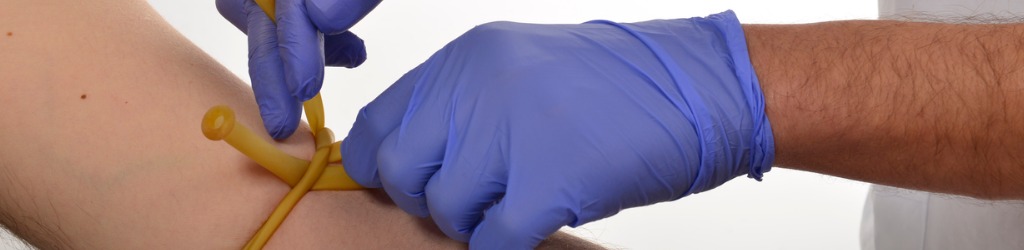
FDA has progressively strengthened the overlapping safeguards that protect patients from unsuitable blood and blood products. Blood donors are asked specific questions about risk factors that could affect the safety of the donation and are deferred from donation if risk factors are acknowledged. FDA also requires blood centers to maintain lists of unsuitable donors to prevent further donations from these individuals. After donation, the blood is tested for several infectious agents. All tests must be negative before the blood is suitable for transfusion. In addition to these safeguards, FDA has significantly increased its oversight of the blood industry. The agency inspects all blood facilities at least every two years, and "problem" facilities are inspected more often. Blood establishments are now held to quality standards comparable to those expected of pharmaceutical manufacturers.
Key Resources
- Testing Human Cells, Tissues, and Cellular and Tissue Based Product (HCT/P) Donors for Relevant Communicable Disease Agents and Diseases
- Infectious Disease Tests
- Blood Grouping and Phenotyping Reagents
Paragraph Header
Contact Us
White Oak Campus
10903 New Hampshire Ave
Silver Spring, MD 20993
United States
For Latest Updates Follow
@FDADrugs
The latest information from the Center for Biologics Evaluation and Research.